Sweat itself has little or no smell. Body odour develops when bacteria living on the skin break down components of sweat and transform them into volatile, odorous molecules.
This distinction matters: sweating and body odour are related, but they are not the same problem.
Why we sweat
Sweating is the body’s natural cooling system. As sweat evaporates from the skin, it releases heat and helps regulate body temperature during exercise, hot weather, illness or stress.
The body has two main types of sweat glands:
-
Eccrine glands are found across most of the body. They release mainly water and salts directly onto the skin and are responsible for most temperature-related sweating.
-
Apocrine glands are concentrated in areas such as the underarms and groin. They become active during puberty and release a thicker fluid containing lipids, proteins and other compounds.
Neither type of sweat automatically produces an unpleasant smell. The odour appears after skin bacteria begin processing these compounds.
How bacteria create body odour
The underarm is warm, moist and partly enclosed, making it an ideal environment for microorganisms.
Two of the dominant bacterial groups found there are Corynebacterium and Staphylococcus. Different species and strains produce different enzymes and therefore different odorous compounds.
Some bacteria transform components of apocrine sweat into:
-
sulphur-containing compounds,
-
short-chain fatty acids,
-
musky or sour-smelling molecules.
This is why two people can sweat a similar amount but smell completely different. The decisive factor is not only how much they sweat, but also the composition and activity of their underarm microbiome.
Heavy sweating does not always mean strong body odour
A person can sweat heavily without developing a strong smell. Another person may sweat relatively little but experience persistent body odour.
These conditions also have different names:
-
Hyperhidrosis means excessive sweating beyond what is needed for normal temperature regulation.
-
Bromhidrosis means persistent or unusually strong body odour.
A deodorant or anti-odorant can help control odour, but it does not treat the underlying causes of excessive sweating. If sweating changes suddenly, occurs at night or significantly interferes with daily life, it should be discussed with a healthcare professional.
Why stress sweat may smell stronger
Heat and exercise primarily activate the eccrine glands. Emotional situations can also activate the apocrine glands in the underarms.
Because apocrine secretions contain more substances that bacteria can metabolise, stress-related sweat may develop a noticeable smell more quickly. This can happen during an interview, presentation, exam, date or any situation involving anxiety or excitement.
The smell is not caused by stress itself. Stress changes the type and location of sweat being produced, giving underarm bacteria more material to process.
Why body odour differs between people
Several factors influence underarm odour:
-
genetics,
-
hormones and puberty,
-
the composition of the skin microbiome,
-
stress and emotional sweating,
-
underarm hair,
-
clothing material,
-
washing habits,
-
deodorant and antiperspirant use.
Genetics can even affect whether a person produces certain odour precursors at all. This is one reason why some people naturally develop very little underarm odour, while others experience it despite good hygiene.
The left and right underarm may also contain slightly different microbial communities. Occasionally, this can make one side smell stronger than the other.
Clothing can contribute to the problem
Body odour does not exist only on the skin. Bacteria and odorous compounds can accumulate in clothing, particularly around the underarms.
Synthetic fabrics such as polyester tend to retain odour more strongly than cotton after exercise. Certain bacteria grow particularly well on polyester fibres, allowing a freshly washed garment to begin smelling again soon after it becomes warm and damp.
This means that persistent odour may require attention to both the skin and the clothing—not simply more deodorant.
Does sweating remove toxins?
Sweating is essential for temperature regulation, but it is not one of the body’s main detoxification systems. The liver and kidneys perform that role.
Sweat consists mainly of water and salts, with much smaller amounts of other substances. Sweating more does not meaningfully “cleanse” the body, but preventing normal perspiration is not necessary for controlling body odour.
Deodorant, antiperspirant and anti-odorant are different
An antiperspirant uses aluminium salts to reduce the amount of sweat reaching the skin.
A conventional deodorant usually reduces odour temporarily or covers it with fragrance.
An anti-odorant focuses on controlling the processes that create odour without attempting to stop natural perspiration.
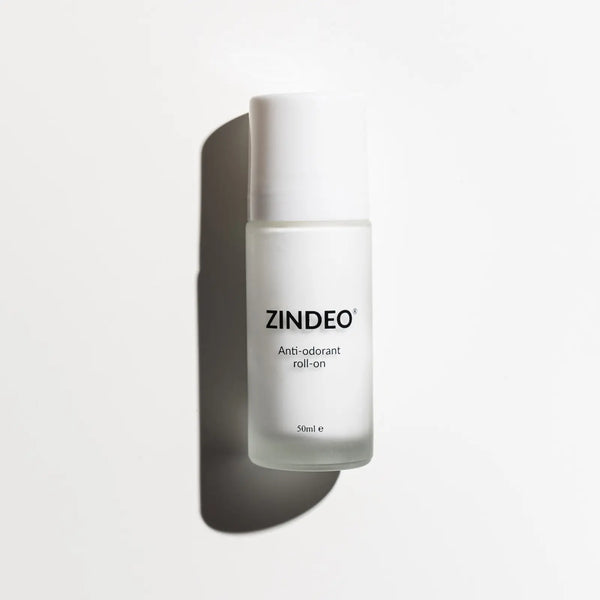
ZINDEO is designed to reduce body odour at its microbial source rather than mask it with perfume. It does not contain antiperspirant aluminium salts, so the body can continue sweating naturally.
Clinically tested odour control
ZINDEO Anti-odorant Cream was evaluated in a split-underarm study. One underarm was treated with ZINDEO while the other remained untreated.
The treated underarm showed:
-
92% lower odour intensity after 24 hours
-
significant odour reduction after 48 hours
-
a measurable effect lasting up to 72 hours after one application
A separate 28-day study also evaluated changes in the underarm microbiome. Nine out of ten participants showed increased measured microbial diversity, while odour-associated bacterial groups decreased.
These results show that controlling body odour does not require blocking sweat or covering it with a stronger fragrance.
Sweat naturally. Smell like yourself.
Sweating is normal. Persistent unpleasant odour develops when particular bacteria transform components of sweat into odorous molecules.
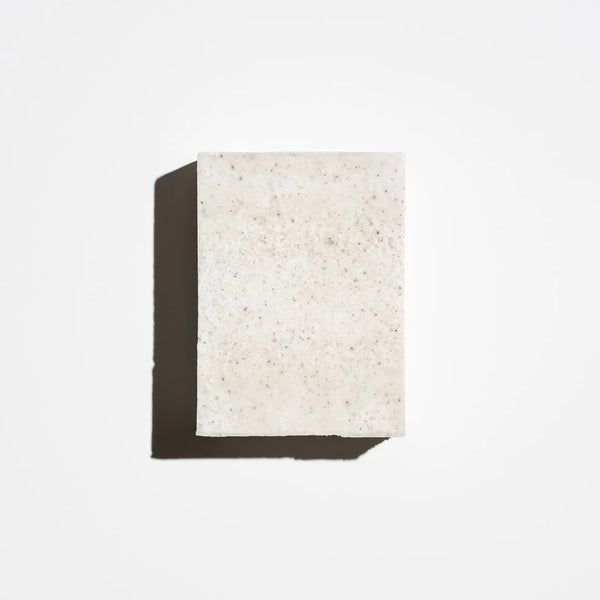
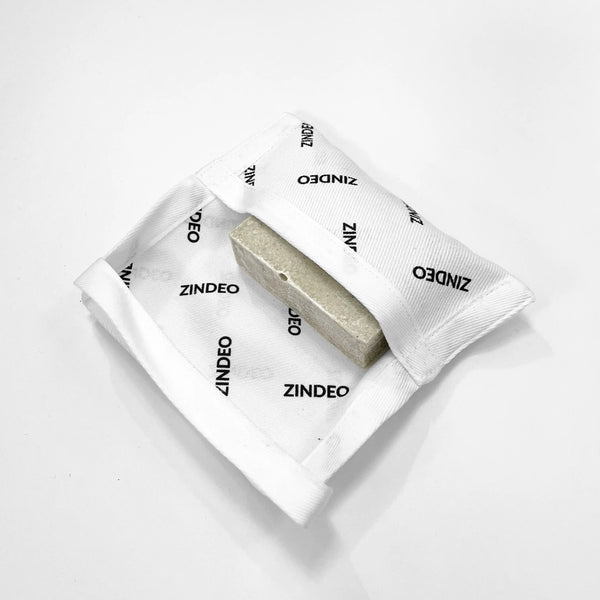
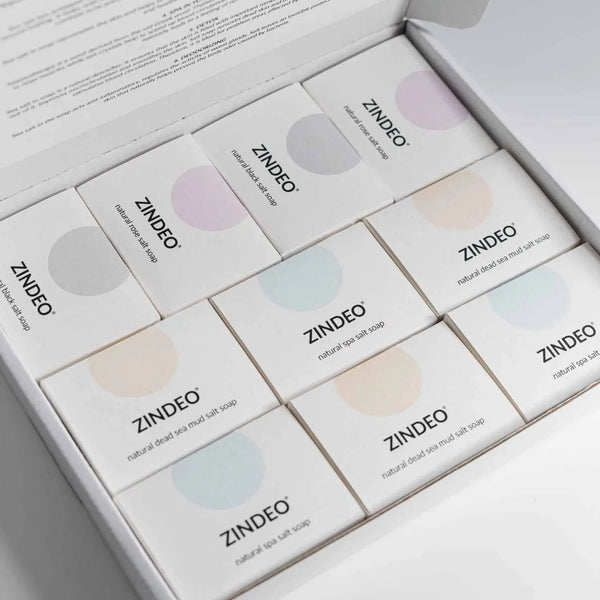
ZINDEO Reset Set MAX combines SALSOAP®, Anti-odorant Roll-On and Anti-odorant Cream into the most complete routine for strong or persistent body odour.
Reset Set MAX—SALSOAP® + roll-on + cream · €49.50. Simply fresh, no thinking required.